Simple Steps to Avoid Getting Locked Out of Your Home
Getting locked out of your own home is frustrating, inconvenient, and often happens at the worst possible moment. While a reliable door lock service can get you back inside quickly, it is far better to avoid the situation altogether. A few small habits and some simple hardware upgrades can dramatically reduce the chance of another home lockout. This article walks through practical steps you can take, from better key management to checking your door hardware, so you can keep your day moving without that sudden moment of panic.
Check Your Door Hardware for Common Failure Points
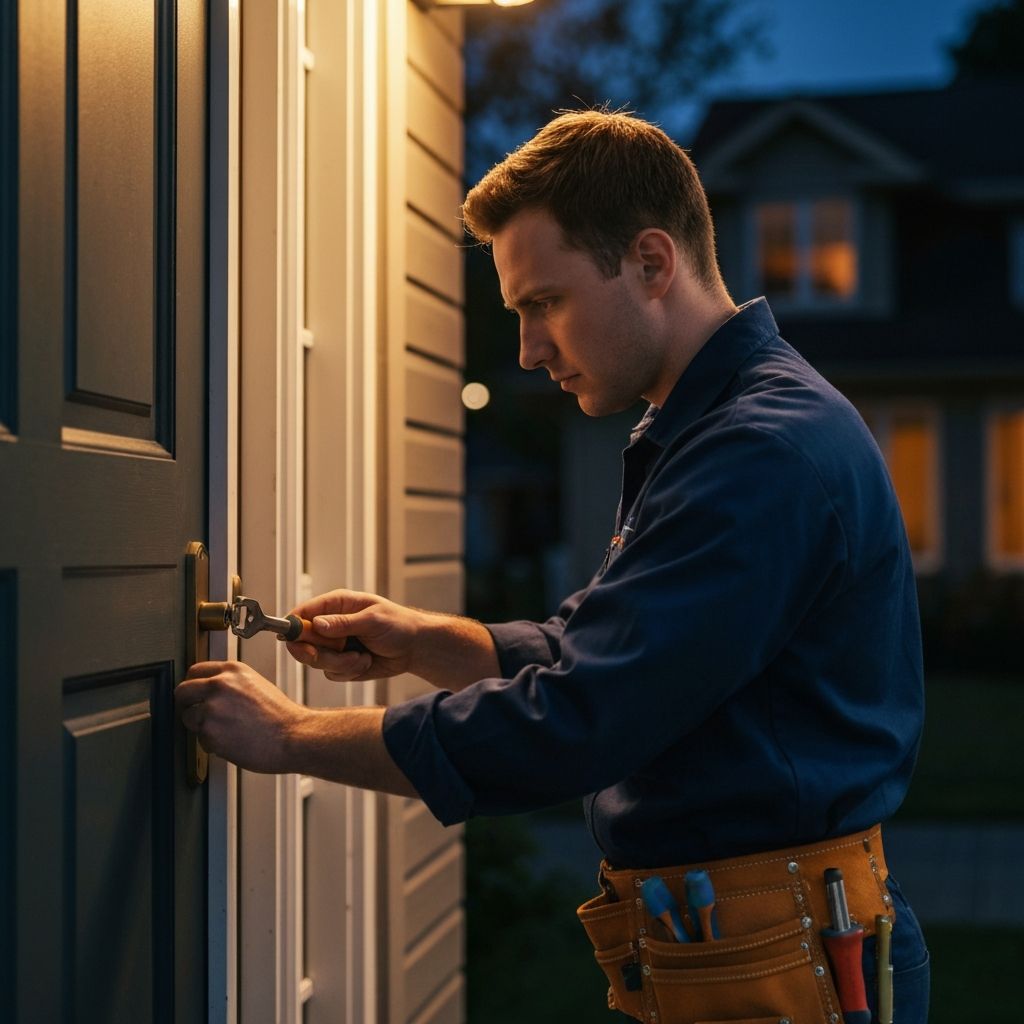
The first place to focus is the hardware itself. Many lockouts happen not because you lost a key, but because something in the lock mechanism or the door frame stopped working correctly. A deadbolt that sticks, a latch that does not fully retract, or a key cylinder that feels stiff can all lead to a situation where the door will not open even with the right key.
Walk up to your door and test it right now. Insert the key and turn it. Does the deadbolt slide smoothly? Does the latch move freely when you operate the handle? If you feel resistance or hear grinding, that is a sign that something is wearing out or misaligned. The most common issue is a latch that does not fully clear the strike plate on the door frame, often because the door has shifted slightly with seasonal changes or the screws on the hinges have loosened. Another frequent problem is a key cylinder that has collected dirt or corrosion, making it hard to turn. A professional can clean or replace a cylinder quickly, but ignoring a stiff lock often leads to a broken key or a seized mechanism, and that means a lockout.
Also check the door frame itself. If the wood around the strike plate is cracked or the screws are pulling out, the deadbolt may not engage properly. Over time, a heavy door can warp the frame just enough that the latch no longer lines up. A simple adjustment of the strike plate or replacement of worn screws can fix this. If you notice the door rubbing against the frame or sticking when you close it, address that before it becomes a lockout event.
Build a Backup Key Habit
The most straightforward way to avoid a lockout is to always have a backup key available somewhere safe. This sounds obvious, but many people rely on a single key ring. If that key gets left on the kitchen counter, or dropped in a parking lot, or locked inside the car, you are stuck. The trick is to have at least two backup options that do not depend on each other.
Give a spare key to a trusted neighbor or a nearby family member who is usually home during the day. Make sure that person has a way to reach you and that you have their contact information saved. A second option is a small key safe mounted on an exterior wall in a discreet spot. These combination lock boxes are inexpensive and let you store a key without hiding it under a rock or a fake plant where anyone can find it. If you do use a key safe, choose a location that is not visible from the street and change the combination every few months. This gives you reliable, safe access when locked out without needing to call for help.
For apartment dwellers, check with your building manager about whether there is a master key or a lockout protocol. Some apartment entrance systems have a separate key for the main door and a different one for your unit. Keep a copy of each key in a place you can access if you are locked out of the building, such as a key safe near the building entrance or with a neighbor in the same building. Make sure you have a way to reach the building manager after hours if needed.
Use Smart Technology as a Backup, Not a Replacement
Smart locks and keyless entry systems have become popular because they eliminate the need for a physical key. A keypad lock lets you enter a code, and many models connect to your phone so you can unlock the door remotely. These can reduce lockouts dramatically if you set them up carefully. But they introduce their own risks: dead batteries, forgotten codes, or a phone that runs out of power.
If you install a smart lock, make sure it has a mechanical override. Most good models include a traditional key cylinder as a fallback. Keep that backup key somewhere safe, not inside the house. Also, set up a backup code that you do not use every day, in case you forget your main code. Test the lock regularly to make sure the batteries are not close to dying. Many smart locks alert you when the battery is low, but you still need to change them before they fail completely. A dead battery on a cold winter night can lock you out just as surely as a lost key.
Make a Habit of Checking Before You Close the Door
Lockouts often happen because of a simple oversight. You step outside to grab the mail or take out the trash, and the door swings shut behind you. The deadbolt is not engaged, but the latch clicks into place, and now you are standing outside without a key. The fix is a simple habit: before you close any exterior door, glance at your pocket or your hand to confirm you have your keys. If you do not feel them, do not let the door close all the way.
This sounds trivial, but it is the single most common cause of lockouts. People get distracted by a phone call, a package delivery, or a child running out the door. Train yourself to pause for one second before the latch clicks. If you live with other people, remind them to do the same. A small note on the inside of the door can help until the habit sticks.
Keep Your Locks Maintained
Locks are mechanical devices that need occasional care. Dirt, dust, and moisture can build up inside the key cylinder and cause it to stick. A lock that is hard to turn gets forced, and forcing can break a key or jam the mechanism. Once a year, spray a small amount of graphite powder into the keyway and work the key in and out a few times. Graphite is a dry lubricant that does not attract dirt. Do not use oil-based lubricants like WD-40; they can gum up over time and make the problem worse.
If you have a deadbolt that feels loose or wobbly, check the screws that hold it to the door. Tighten them gently. If the screws are stripped, replace them with slightly longer ones. A loose lock can shift and cause the deadbolt to miss the strike plate, which leads to a door that will not latch or will not open. These are small fixes that take a few minutes but can prevent a failure that leaves you locked out.
Know When to Call a Professional
Sometimes a lockout is not due to a lost key but to a lock that has failed completely. If you have tried everything and the key will not turn, or the knob spins without engaging the latch, or the deadbolt is stuck halfway, do not force it. Forcing a broken lock can damage the door or the frame and make the repair more expensive. A professional locksmith can assess the problem and often open the door with non destructive entry methods, preserving the lock and the door so that only a small repair is needed afterward.
If you find yourself locked out because of a hardware failure, call a reputable door lock service. They can diagnose the issue and recommend whether to repair or replace the lock. After they get you inside, ask them to inspect the rest of your door hardware. A good technician will spot worn parts you might not have noticed, like a latch that is starting to sag or a strike plate that has come loose. Taking their advice can prevent the same problem from happening again.
Preventing a lockout is mostly about awareness and a little bit of maintenance. Check your hardware regularly, keep a spare key in a secure spot, and build the simple habit of verifying you have your keys before the door closes. These steps take almost no time but can save you the hassle of standing outside your own home. And when a problem does arise, you will know that a professional can restore safe access when locked out quickly and without damaging your door.